TECHNICAL DIFFERENCES
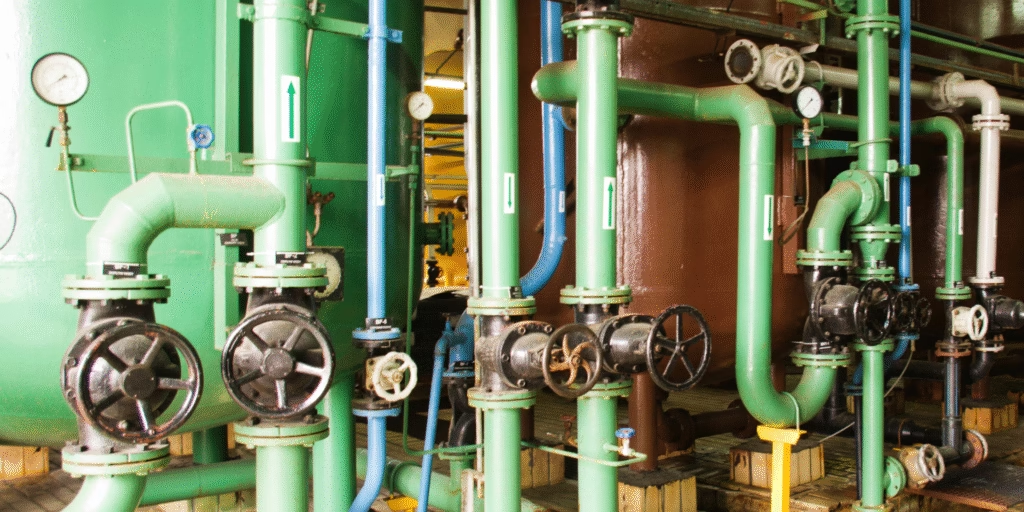
Steam Boiler (6 T/H)
Type: Steam boilers can be classified into various types, such as water-tube boilers, fire-tube boilers, and waste heat recovery boilers. The type selected can affect efficiency and application suitability.
Capacity: A capacity of 6 tons of steam per hour is significant, making it suitable for industrial processes that require large volumes of steam, such as heating, chemical processing, and power generation.
Pressure: Operating at a pressure of up to 12 bar is common in industrial applications, delivering either saturated or superheated steam, depending on the process needs.
Efficiency: Efficiency is a critical factor; oil or gas-fired boilers can reach high efficiency through heat recovery systems and proper combustion control. Fuel quality also directly impacts efficiency.
Emissions: Depending on the fuel used, steam boilers may emit pollutants like nitrogen oxides (NOx) and sulfur dioxide (SO₂). Pollution control systems may be required to meet environmental regulations.
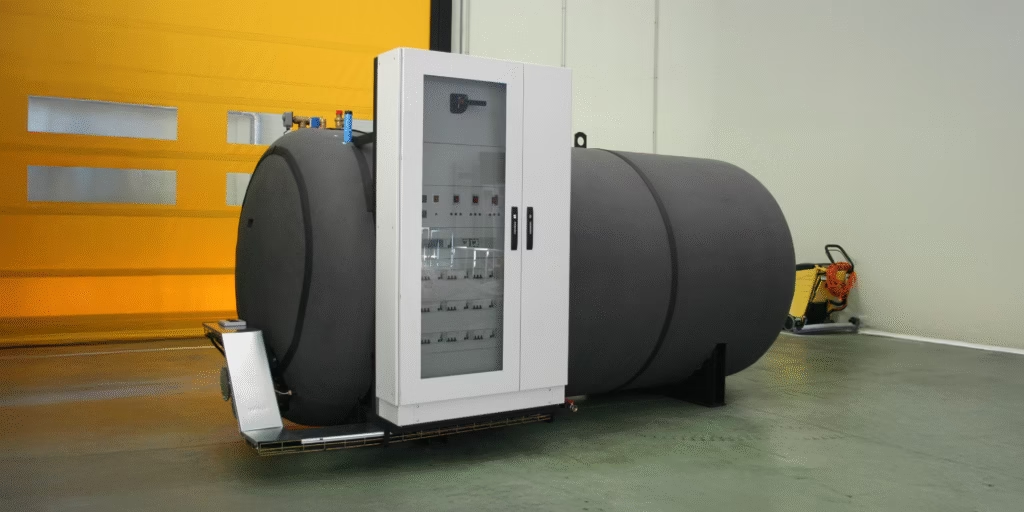
Electric Boiler (6 MW)
Type: Electric boilers using Joule heating utilize electrical resistance to generate heat, converting electrical energy directly into heat without combustion. This results in a much cleaner process.
Capacity: With 6 MW, this boiler can generate up to approximately 5.2 tons of steam per hour, depending on the heating system and operating conditions. It is ideal for applications that require high-quality steam continuously.
Pressure: The ability to operate at up to 12 bar allows for the production of saturated or superheated steam, suitable for a range of industrial uses. Pressure regulation is enhanced by electronic control systems.
Efficiency: Efficiency is generally above 99%, as all electrical energy is converted into heat with negligible losses. This makes it an attractive option in terms of energy consumption.
Emissions: While the electric boiler itself produces no direct emissions, overall emissions depend on the electricity source. If power comes from renewable sources, emissions can be extremely low.
INSTALLATION
Steam Boiler
Space: Installing a steam boiler requires considerable space, not only for the boiler itself but also for auxiliary systems such as fuel storage tanks, exhaust systems, and maintenance areas.
Infrastructure: Flue gas ducting systems are required and must be designed for both efficiency and safety. Water treatment is crucial to prevent corrosion and scaling.
Safety Requirements: Operating with fossil fuels poses additional risks like explosions and leaks. Therefore, strict safety systems must be implemented, including safety valves, pressure monitoring systems, and specialized operator training.
Electric Boiler
Space: Installation is generally more compact, as there is no need for fuel storage tanks. This is advantageous in locations with limited space.
Infrastructure: The main infrastructure required is a properly sized electrical connection to support the boiler’s load. An efficient steam distribution system may also be necessary.
Safety Requirements: While less complex than steam boilers, safety requirements include protection against electrical overloads and emergency shutdown systems. Electrical certifications must be strictly followed.
OPERATION
Steam Boiler
Response Time: Steam boilers generally have a longer response time compared to electric boilers. This is because a significant amount of water must be heated until it reaches the desired pressure and temperature. The volume of water and burner power play a crucial role in this process, potentially requiring additional time to stabilize operating conditions. This delay can be a limiting factor in applications that require fast and efficient heating.
Fuel Usage: Fuel usage in steam boilers is a critical task requiring trained and experienced operators. These professionals are responsible for managing fuel combustion, which can include coal, natural gas, or oil. They also need to adjust the air-fuel mixture to optimize combustion and monitor operational efficiency. Proper training is essential to minimize risks, as poor combustion can lead to pollutant emissions and reduced energy efficiency.
Flexibility: The flexibility of steam boilers is closely linked to the availability of the fuel used. In situations where fuel is scarce or expensive, operating costs can increase significantly. Additionally, fluctuations in fuel prices can impact the economic feasibility of running a steam boiler, requiring careful planning and management to ensure long-term efficiency.
Electric Boiler
Response Time: Electric boilers stand out for their ability to heat up quickly, reaching operating temperatures in a significantly shorter time. This translates into greater operational flexibility, allowing instant adjustments in steam production as needs vary. This aspect is especially valuable in industrial environments where heating demand can change rapidly.
Fuel Usage: One of the main advantages of electric boilers is that they do not require fossil fuel usage. This eliminates a range of risks associated with fuel storage and combustion, resulting in safer operations and lower related costs. Moreover, the absence of solid or liquid fuels reduces the need for complex exhaust and waste treatment systems.
Flexibility: Although electric boiler operation depends on electricity availability, they generally offer more stable operation, especially when electricity is generated from renewable sources such as solar or wind. This not only contributes to a reduced carbon footprint but can also lead to more predictable operating costs depending on electricity tariffs.
MAINTENANCE
Steam Boiler
Maintenance: Maintenance of steam boilers is a complex task requiring a systematic approach. Combustion, exhaust, and water treatment systems need to be regularly monitored to ensure they operate within safety and efficiency parameters. This involves frequent burner cleaning, tube inspections, and control system checks. Preventive maintenance is crucial to avoid operational failures that can cause unplanned shutdowns and high costs.
Maintenance Cost: Maintenance costs for steam boilers can be high due to natural component wear and the need for periodic inspections. Additionally, steam boilers must comply with environmental regulations, which may require additional investments to upgrade emission control systems and technologies. These factors can significantly impact the total cost of ownership over time.
Service Life: Steam boilers, when well maintained, can have a long service life, often extending for several decades. However, this durability strongly depends on the quality of the fuel used and maintenance practices. Low-quality fuels can cause deposits and corrosion, reducing efficiency and equipment lifespan.
Electric Boiler
Maintenance: Electric boilers, in contrast, require less maintenance as they lack complex combustion or exhaust systems. However, electrical components still need monitoring to ensure heating systems function correctly. Maintenance can be less frequent and less costly, resulting in fewer operational interruptions.
Maintenance Cost: Maintenance costs for electric boilers tend to be lower due to the simplicity of the systems involved. With fewer moving parts and no combustion systems, there is less risk of mechanical failures, translating into reduced overall maintenance and repair expenses.
SERVICE LIFE OF A 6 MW ELECTRIC STEAM BOILER
The service life of a 6 MW Joule effect electric steam boiler generally ranges from 20 to 30 years; however, this range can be influenced by various factors.
Regular Maintenance: Performing preventive and corrective maintenance is crucial. Frequent inspections and cleaning of components such as heating elements help prevent issues that can reduce service life.
Operating Conditions: Using treated water and operating according to the manufacturer’s specifications are essential. Adverse conditions, such as poor water quality or operation at high pressures and temperatures, can decrease durability.
Usage Frequency: The duration and intensity of operation directly affect boiler wear. Boilers operating continuously under heavy cycles may have a shorter service life compared to those running in intermittent cycles.
CONCLUSION
In summary, both the Joule effect electric boiler and the 6 MW combustion boiler can have similar service lives, but the electric boiler tends to offer advantages in terms of maintenance, operational costs, and environmental impact.
From an environmental perspective, Joule effect electric boilers stand out for their lower carbon footprint.
The use of electricity, especially when generated from renewable sources such as solar, wind, or hydroelectric power, significantly reduces greenhouse gas emissions compared to combustion boilers that rely on fossil fuels. Transitioning to electric boilers is therefore a vital strategy for companies aiming to align their operations with increasing concerns over sustainable practices.